


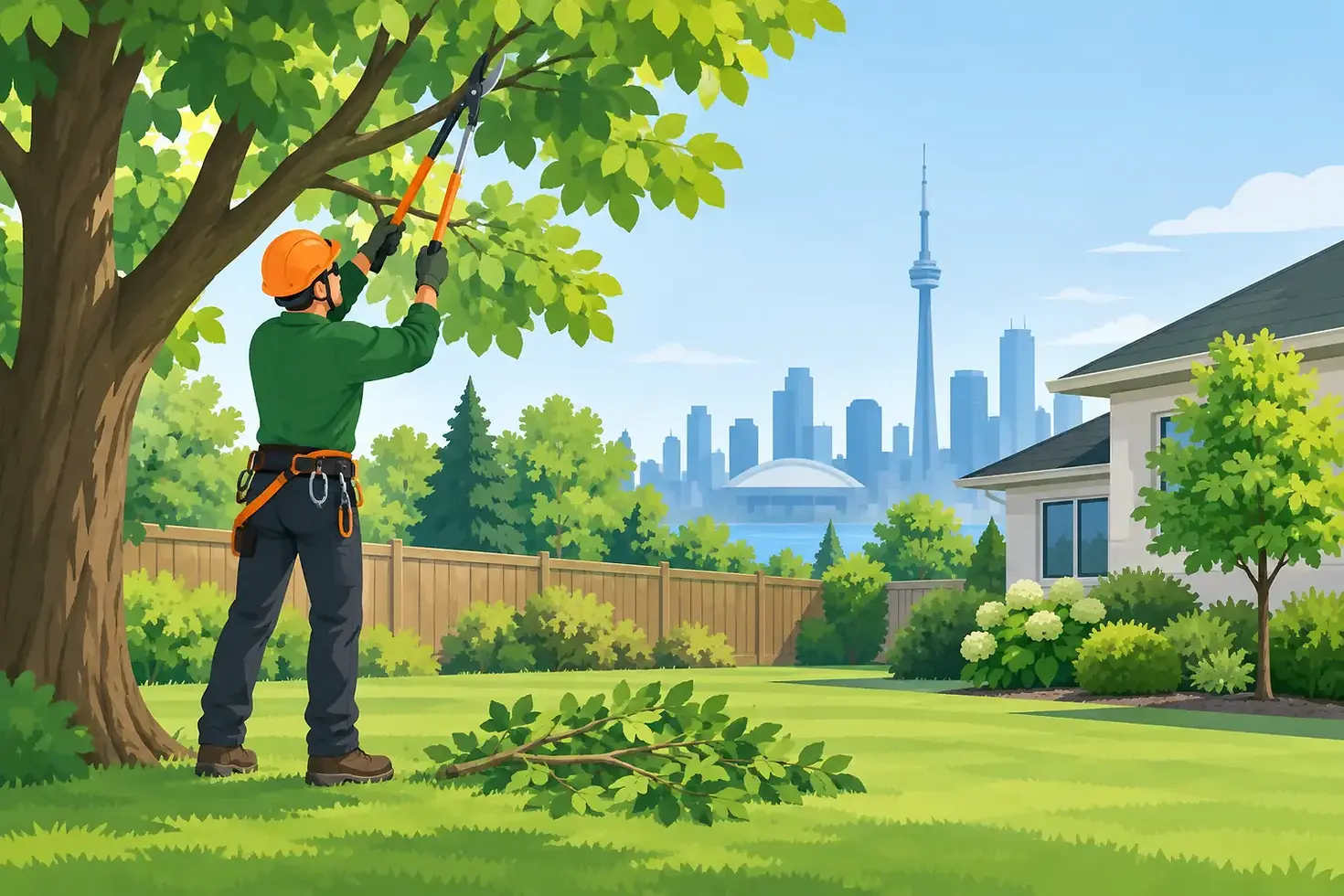
Tree Care Toronto for Healthier and Safer Yards
A mature tree can be the feature that makes a Toronto property feel established, private, and inviting. It can also become a source of damage when heavy snow, high winds, compacted soil, or an overlooked dead limb put pressure on the canopy. Thoughtful tree care Toronto homeowners plan for protects more than the tree itself - it helps safeguard roofs, driveways, gardens, fences, and the outdoor spaces you have invested in.
For properties in Etobicoke, Toronto, North York, Mississauga, and across the GTA, tree care is not a once-a-year chore. It is a practical part of maintaining a healthy landscape through changing seasons. The right approach depends on the tree species, age, location, condition, and the work happening around it.
Tree Care in Toronto Begins With a Clear Assessment
Before pruning branches or adding new trees, look at the whole property. A tree may appear healthy from the ground while showing warning signs that deserve professional attention. Dead branches, cracks where large limbs meet the trunk, peeling bark, fungus near the base, sudden leaf loss, or a noticeable lean can all indicate that a closer inspection is needed.
Placement matters just as much as condition. A large maple over a patio provides welcome shade, but its roots and falling leaves may affect how the space is used. A spruce planted too close to a fence can eventually crowd the structure and block light from neighbouring garden beds. Trees near overhead utility lines, roofs, driveways, or public sidewalks require especially careful planning.
A proper assessment helps homeowners make measured decisions rather than removing a tree simply because it has grown large. Often, selective pruning, improved soil conditions, or better drainage can preserve a valuable mature tree while reducing risk. In other cases, removal and replacement may be the better long-term choice, particularly when structural decline is significant or the tree is poorly suited to its location.
Pruning for Health, Shape, and Safety
Pruning is one of the most visible parts of tree care, but cutting too much or cutting in the wrong place can create lasting problems. The goal is not to make a tree look stripped back. Good pruning removes dead, damaged, crossing, or poorly attached branches while maintaining the tree’s natural form.
For many established residential trees, selective pruning can improve light penetration, reduce the weight of overextended limbs, and keep branches clear of roofs, walkways, and outdoor living areas. It can also help younger trees develop a stronger structure early, reducing corrective work later.
Timing depends on the species and the type of work required. Dormant-season pruning is often preferred for many deciduous trees because the branch structure is easier to assess and the tree is not actively producing leaves. However, hazardous deadwood should not wait for an ideal season. If a limb is cracked, hanging, or likely to fall, it needs prompt attention.
Avoid severe topping, which means cutting a tree back indiscriminately to stubs or large branch ends. While it may seem like a quick way to reduce height, topping can trigger weak regrowth, leave large wounds, and compromise the tree’s appearance and stability. A skilled pruning plan is more precise: it reduces risk without sacrificing the canopy that gives your property shade, character, and curb appeal.
Protect Roots During Landscaping and Construction
Trees do not end at the trunk. Their root systems often extend well beyond the visible canopy, and damage below grade can affect a tree long after a landscaping project is complete. This is particularly relevant when installing interlock, building retaining walls, excavating for drainage, adding a deck, or regrading a yard.
Heavy equipment, soil compaction, trenching, and changes to water flow can all stress roots. A patio installed too close to a mature tree may limit oxygen and moisture in the soil. Raising the grade around the base of a trunk can also cause decline over time, even if the change initially looks neat and level.
That does not mean homeowners must avoid upgrading their yards when trees are present. It means the design should account for them from the start. Adjusting the shape of a walkway, using appropriate base preparation, choosing a different location for a retaining wall, or protecting the root zone during construction can make the difference between a landscape that works for a season and one that performs for years.
At Maximum Landscaping Services, tree considerations can be incorporated into a broader outdoor plan, so planting, hardscaping, drainage, and access work together rather than competing for the same space.
Choose Trees That Suit GTA Conditions
New tree planting is an investment in the future of your property. The best selection is not always the fastest-growing or most dramatic option at the nursery. A tree should fit the available space at maturity, tolerate local weather patterns, and work with the soil, sun exposure, and drainage conditions in your yard.
For a narrow side yard, an upright or compact variety may be more appropriate than a wide-spreading shade tree. In a backyard with heavy clay soil, planting preparation and drainage may matter as much as the tree selection itself. Properties exposed to road salt, wind, or reflected heat from concrete also need tougher choices than sheltered garden settings.
Consider the practical experience you want from the space. Deciduous trees can offer summer shade while allowing more winter sun onto patios and windows. Evergreens create year-round screening, but they can cast dense shade and need enough room to mature without pressing into fences. Flowering trees provide seasonal interest, though fallen blooms and fruit may not be ideal beside a pool deck or frequently used seating area.
A well-planned planting location gives a young tree room to establish, protects sightlines and pathways, and reduces future pruning demands. It also creates a landscape that looks intentional from the street as well as from the backyard.
Seasonal Tree Care That Prevents Bigger Issues
Toronto’s weather asks a lot of residential trees. Winter storms can load branches with snow and ice. Spring thaw can expose drainage issues. Summer heat can stress newly planted trees, while autumn leaf drop reveals canopy problems that were hidden during the growing season.
In spring, inspect trees for winter damage and make sure water is draining away from trunks rather than pooling around them. Mulch can help retain moisture and moderate soil temperature, but it should be spread in a broad, shallow layer and kept away from direct contact with the trunk. A pile of mulch against bark holds moisture where it does not belong and can contribute to decay.
During dry summer periods, newly planted trees need consistent deep watering. Frequent light watering can encourage shallow roots, while slower watering that reaches deeper into the soil supports better establishment. Mature trees are generally more resilient, but extended drought, construction stress, and compacted soil can still affect them.
In fall, remove broken branches and assess whether limbs are overhanging areas used throughout winter. Do not aggressively prune simply because leaves have dropped. Instead, use the clearer view of the canopy to identify deadwood, structural concerns, and branches that may need professional attention before severe weather arrives.
Know When Tree Work Requires a Professional
Homeowners can handle basic tasks such as watering new trees, refreshing mulch, and monitoring visible changes. Work involving height, heavy limbs, power lines, climbing, chainsaws, or a tree that may be unstable is different. The risk to people and property rises quickly when a branch is under tension or falls unpredictably.
Professional help is also worthwhile when the decision itself is unclear. For example, a tree leaning after a storm may not necessarily be failing - some trees grow with a natural lean. But fresh soil movement, exposed roots, cracking, or a sudden shift in position are reasons to act quickly. Similarly, a tree near a property line may involve municipal requirements, neighbour considerations, or permit rules depending on its location and the work proposed.
A reputable contractor should explain what they see, recommend a practical scope of work, and provide a detailed written estimate before the project begins. Clear communication matters because tree work often connects to other property needs, from repairing a damaged fence to correcting drainage or redesigning a garden bed after removal.
Make Tree Care Part of a Better Outdoor Plan
The strongest landscapes do not treat trees as an afterthought. They use them to frame a driveway, cool a patio, create privacy, soften hardscape materials, and add lasting value to the property. With routine inspections, selective pruning, smart planting, and careful coordination during construction, your trees can remain an asset instead of becoming an expensive surprise.
If a branch, root issue, or overgrown canopy is affecting how you use your yard, begin with a clear on-site assessment. A thoughtful plan now can protect the outdoor space you enjoy today while giving your landscape room to grow well into the future.


Comments